Archival Records on Craps Variants Transitioning from Riverboats to Digital Networks
Written by Leon Vogel · Aug 23, 2026
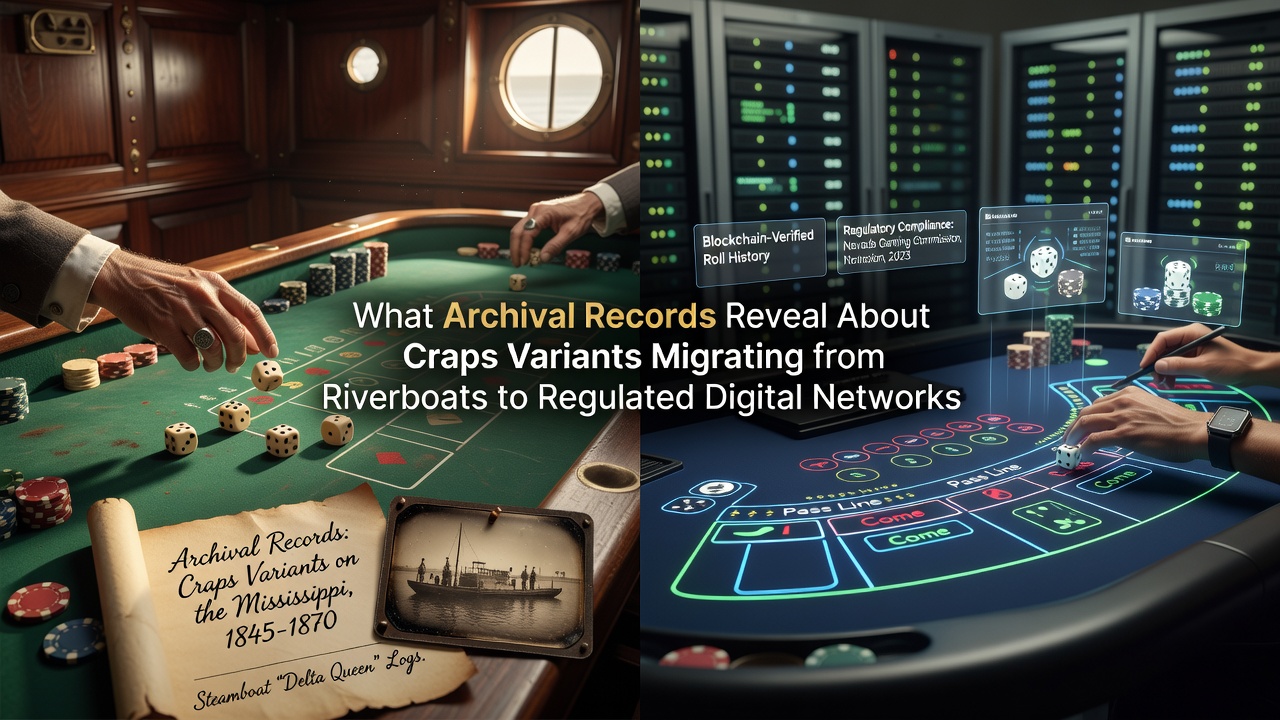
Archival Records on Craps Variants Transitioning from Riverboats to Digital Networks
Archival records from the 19th and early 20th centuries document craps variants that emerged on Mississippi River steamboats where players used specific dice combinations and side bets that differed from land-based versions while operators adjusted rules to fit confined spaces and quick game cycles and these same records track how those mechanics carried forward through state licensing changes in the mid-20th century when riverboat casinos reopened in states such as Iowa and Illinois.
Documents preserved by state historical societies and gaming archives reveal that riverboat craps often included localized adaptations such as the "high point" betting option and modified pass line payouts that reflected the transient nature of boat travel whereas later regulatory frameworks in the 1990s required standardized equipment and oversight that began to shape how those variants would translate into electronic formats.
Early Riverboat Documentation and Variant Details
Logbooks and regulatory filings from riverboat operations in the 1990s indicate that operators maintained detailed logs of dice outcomes and player disputes which highlighted differences in house edge calculations compared with traditional casino floors and these filings also note the introduction of multiple deck styles and proposition bets that later appeared in early online prototypes developed during the 2000s.
Researchers examining preserved court records and casino inspection reports have identified patterns where riverboat craps rules varied by jurisdiction with some boats permitting private dice games under specific passenger limits while others enforced stricter banking requirements and those variations provided source material for software developers seeking authentic gameplay elements when digital platforms first launched in regulated markets.
Migration Patterns Through Regulatory Shifts
State gaming commission reports from the early 2000s show that as riverboat operations expanded into land-based facilities and then online testing environments the core mechanics of variants such as bank craps and New York craps moved into digital code through controlled random number generator algorithms that preserved payout ratios while meeting new technical standards for fairness verification and these transitions coincided with multi-state compacts that aligned rule sets across platforms.
Figures from industry trade groups indicate that by 2015 digital craps offerings had incorporated at least four documented riverboat-era variants with adjustments for automated dealing and virtual chip handling and archival comparisons between paper rule books and current game certifications demonstrate that side bet structures remained largely intact even as interface requirements changed to accommodate mobile play.

Regulatory updates issued by the New Jersey Division of Gaming Enforcement in coordination with other states established testing protocols that required online craps to replicate physical dice probabilities documented in earlier riverboat audits and these protocols also addressed how historical variants could be offered without introducing new house advantages that exceeded established limits.
Data compiled by academic research centers focused on gaming history further illustrates that player migration from riverboat tables to regulated digital networks followed similar geographic patterns with states that had long riverboat traditions becoming early adopters of online versions and records from those periods note the retention of specific terminology such as "yo-leven" and "big 6" that originated in boat-based play.
Current Regulatory Context and Record Comparisons
Compliance documentation released through August 2026 continues to reference original riverboat rule submissions when certifying new digital titles which allows regulators to verify continuity in variant structures across time and this practice ensures that any updates to payout tables or betting options remain traceable to documented historical precedents rather than unverified innovations.
Observers note that cross-referencing between physical archive materials and electronic game certification files has become standard procedure for multi-jurisdictional operators seeking approval in additional markets and such comparisons have confirmed that at least three distinct craps variants carried forward from riverboat eras now operate under unified digital standards in several regions.
Conclusion
Archival evidence combined with modern certification records demonstrates a clear lineage for craps variants that began on riverboats and adapted to regulated digital networks through successive layers of oversight and technical verification and these connections continue to inform how new platforms maintain historical elements while satisfying contemporary requirements for transparency and fairness across jurisdictions.