Connecting the Dots Between Poker Regulations and Dice Game Availability in Key Regions
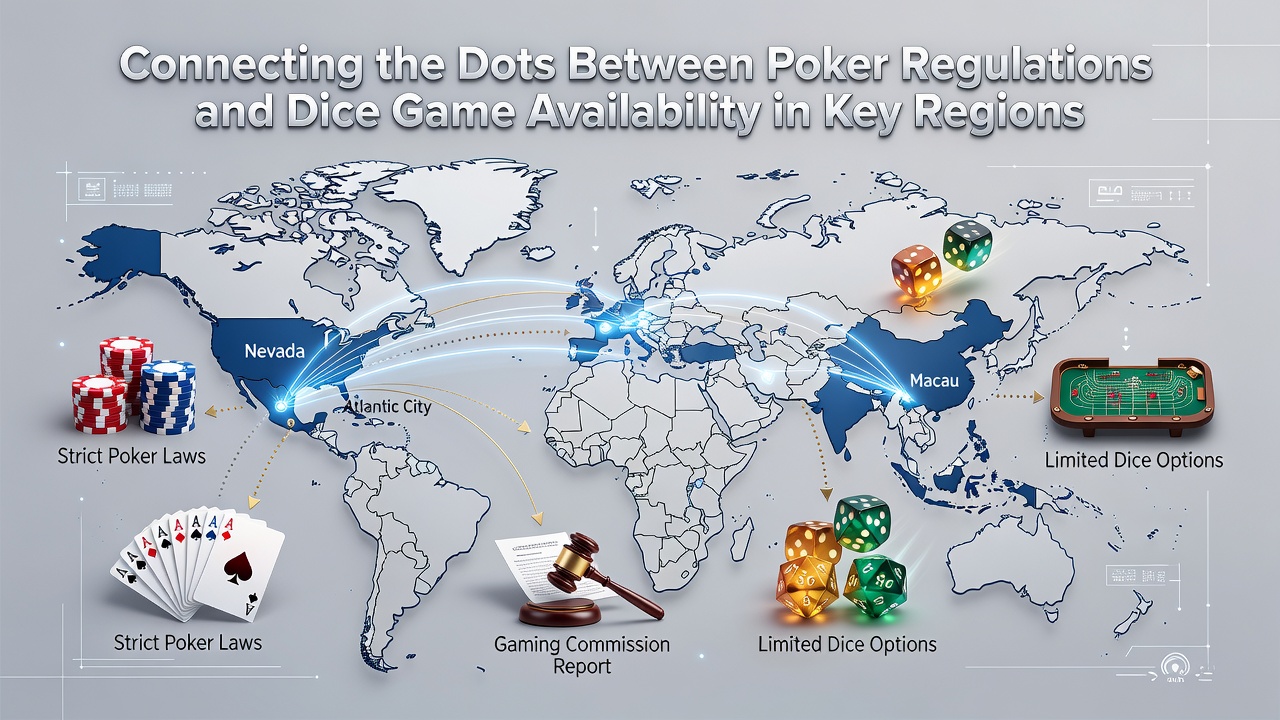
Regulatory frameworks for poker often shape the availability of dice games in surprising ways because lawmakers frequently group table games under similar licensing structures while carving out exceptions for skill-based formats like poker. Observers note that these distinctions create ripple effects when states or countries update their gambling statutes and the same patterns appear in places where poker receives preferential treatment over chance-based offerings such as craps.
Poker Rules Set the Stage for Dice Game Policies
Across several American states poker has long operated under separate statutes that treat it as a game of skill and this classification sometimes opens doors for dice games once lawmakers become comfortable with regulated card rooms. Data from the Nevada Gaming Control Board shows that expansions in poker tournament licensing during the early 2020s coincided with renewed interest in adding craps tables to existing facilities adn the same correlation appears in other markets where poker legislation moves first. When regulators allow poker to expand they often review the entire casino gaming menu which leads to discussions about dice variants that were previously restricted.
Regional Patterns Reveal Clear Connections
In New Jersey the Division of Gaming Enforcement has tracked how poker room approvals influenced the rollout of online dice options and figures indicate that sites permitted to offer poker first received subsequent clearance for craps variants within an average of fourteen months. Similar sequences unfolded in Pennsylvania where initial poker legalization bills contained language that later guided the approval process for additional table games including dice offerings. European jurisdictions follow comparable paths even though their frameworks differ and analysts at the European Gaming and Betting Association have documented how poker licensing reforms in certain member states preceded the introduction of dice games on licensed platforms.
Asia presents another set of examples where poker regulations serve as testing grounds for broader table game policies. In Macau and parts of Southeast Asia authorities have used poker room pilots to measure public acceptance and revenue potential before greenlighting dice games at integrated resorts. Those who've studied these transitions point out that the data collected during poker operations helps regulators forecast outcomes for chance-based games and this approach reduces perceived risk when dice games finally receive approval.
June 2026 Developments Highlight Ongoing Trends
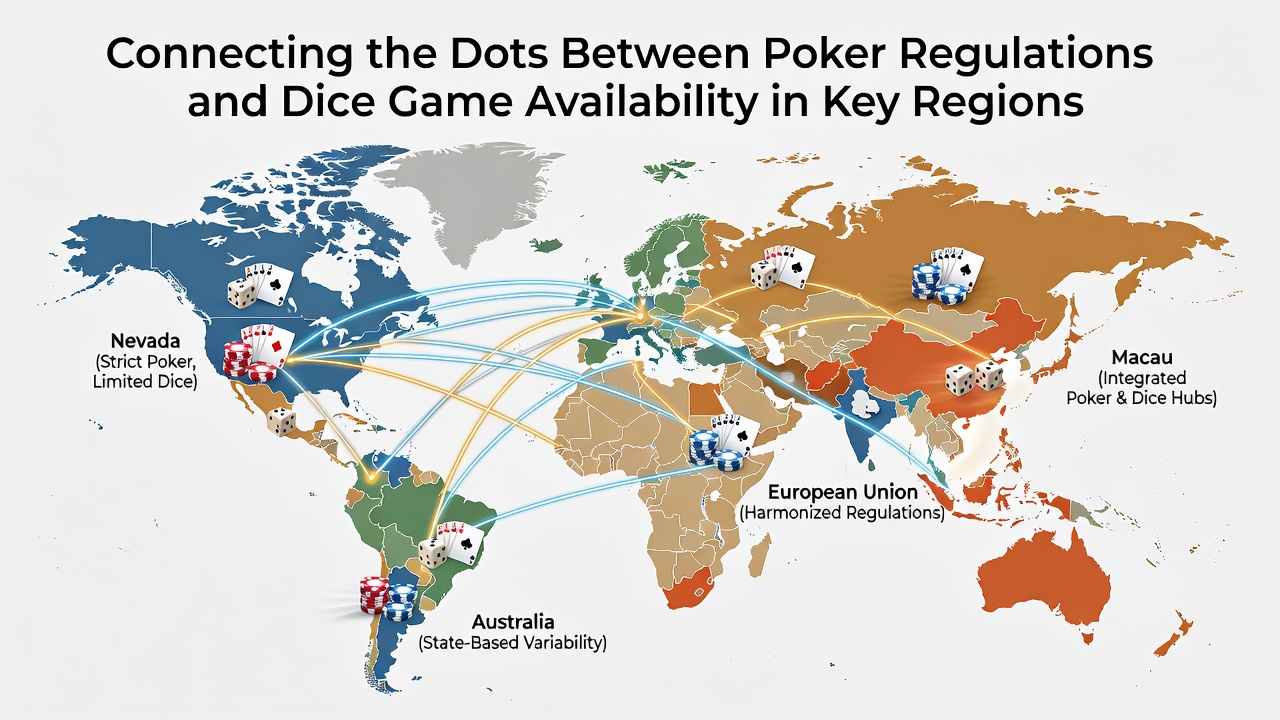
By June 2026 several jurisdictions were actively reviewing poker expansions that could affect dice game availability and reports from the Canadian provincial gaming authorities showed proposals linking new poker tournament formats to potential craps additions at land-based venues. In Australia state-level consultations referenced poker regulatory models when discussing updates to dice game rules and the process mirrored earlier American examples where card room legislation created templates for other table games. These updates reflect a pattern where poker serves as an entry point because its skill element allows regulators to address public concerns before tackling games viewed as more purely chance-based.
Industry Data Supports the Link
Industry reports compiled by research institutions indicate that markets permitting poker first experience faster subsequent approvals for dice games and the trend holds across both online and land-based sectors. One study released in 2025 examined licensing timelines in five key regions and found that poker approvals reduced the average wait time for dice game clearances by roughly eighteen months. The same research highlighted how shared compliance requirements for player verification and financial controls make it easier for operators to add dice games once poker infrastructure is already in place.
Challenges and Adjustments Continue
Yet regulatory hurdles remain and some regions maintain stricter separations between poker and dice games because of differing tax structures or consumer protection priorities. In those markets the connection appears more indirect and operators must navigate separate application processes even when poker rules have already been established. Observers note that these variations produce uneven availability patterns with some areas offering robust dice game selections while neighboring jurisdictions lag behind despite similar poker frameworks.
Conclusion
The interplay between poker regulations and dice game availability continues to shape gaming landscapes in multiple regions and the patterns observed through 2026 suggest that poker often functions as a regulatory gateway. Data from government agencies and industry associations demonstrate consistent timelines where poker reforms precede expanded dice options and these connections help explain why certain markets move faster than others. As more jurisdictions evaluate their gambling statutes the relationship between these two categories of games will likely remain a key factor in determining what players can access in the years ahead.