Dice Rolls Meeting Digital Rewards: How Flash Variants and Loyalty Structures Reshaped Player Options Across Platforms
Written by Drew Vogel · Aug 11, 2026
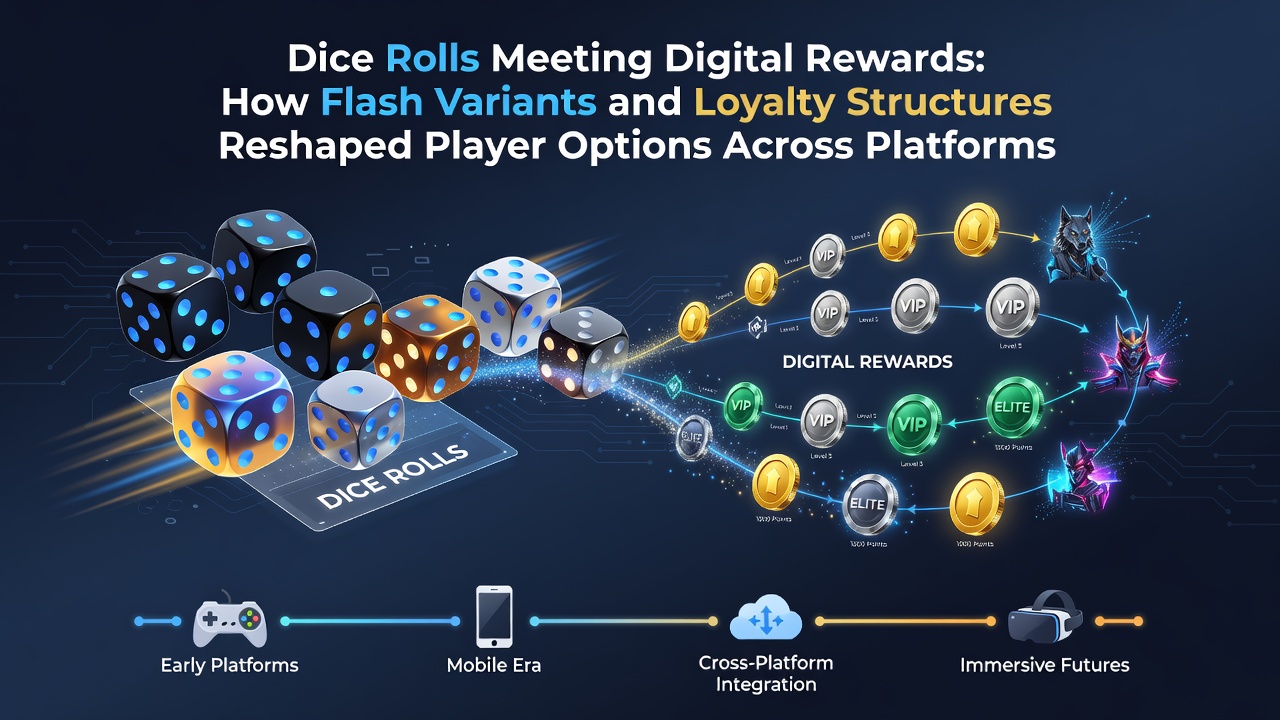
Dice Rolls Meeting Digital Rewards: How Flash Variants and Loyalty Structures Reshaped Player Options Across Platforms
Digital dice games evolved rapidly as flash variants combined with structured loyalty programs to expand choices for players across desktop, mobile and cross-platform environments, and data from industry reports shows these changes accelerated between 2024 and 2026. Observers note that quick-play formats reduced loading times while reward tiers delivered ongoing incentives that encouraged repeated engagement without requiring large initial commitments.
Flash Variants Expand Instant Access
Flash variants refer to lightweight game modules that load directly in browsers or apps and deliver single-roll or short-session experiences rather than extended table simulations, and research indicates these formats gained traction because they aligned with mobile user habits where sessions often last under five minutes. Developers integrated simplified interfaces that retained core probability mechanics yet removed peripheral animations, which cut data usage and allowed play on lower-bandwidth connections in regions such as Southeast Asia and Latin America.
Platforms rolled out these modules in 2025 and continued refinements through August 2026 when several operators synchronized updates with new device operating systems, and figures from the Canadian Gaming Association reveal that flash-based dice titles accounted for 28 percent of total dice game sessions in the first half of that year. Players could switch between standard and flash modes within the same account, which preserved progress toward loyalty milestones across both formats.
Loyalty Structures Tie Rewards to Dice Activity
Loyalty frameworks shifted from generic point accumulation to segmented systems that tracked dice-specific metrics including roll frequency, average stake per session and variant selection, and reports from the European Gaming and Betting Association document how operators introduced tiered multipliers that applied exclusively to dice products. Participants earned accelerated credits toward cashback, free rolls or merchandise once they reached thresholds such as 500 tracked rolls within a calendar month, and these structures operated alongside broader casino-wide programs without replacing them.
Multi-platform synchronization became standard by mid-2026, allowing points earned on mobile flash sessions to contribute to desktop leaderboard rankings, and this integration reduced fragmentation that previously forced users to maintain separate balances on each device type. Data indicates that operators who deployed unified ledgers recorded higher retention rates compared with those maintaining isolated systems, although exact percentages varied by jurisdiction.
Platform Options Multiply Through Combined Mechanics
Cross-platform availability expanded when loyalty tracking extended to third-party aggregators that hosted flash dice titles from multiple studios, and users accessed a single wallet that applied rewards regardless of which provider supplied the underlying game. Regulators in several markets required transparent display of probability information within these aggregated environments, which prompted standardized reporting formats that listed return-to-player figures alongside loyalty accrual rates.
One study released by researchers at the University of Nevada examined session data from 2025 and found that players utilizing combined flash and loyalty features extended average play duration by 17 percent compared with those using traditional interfaces alone, while total wagered amounts remained within similar ranges. The findings highlighted that reward visibility during play influenced selection of variants more than the variants themselves.
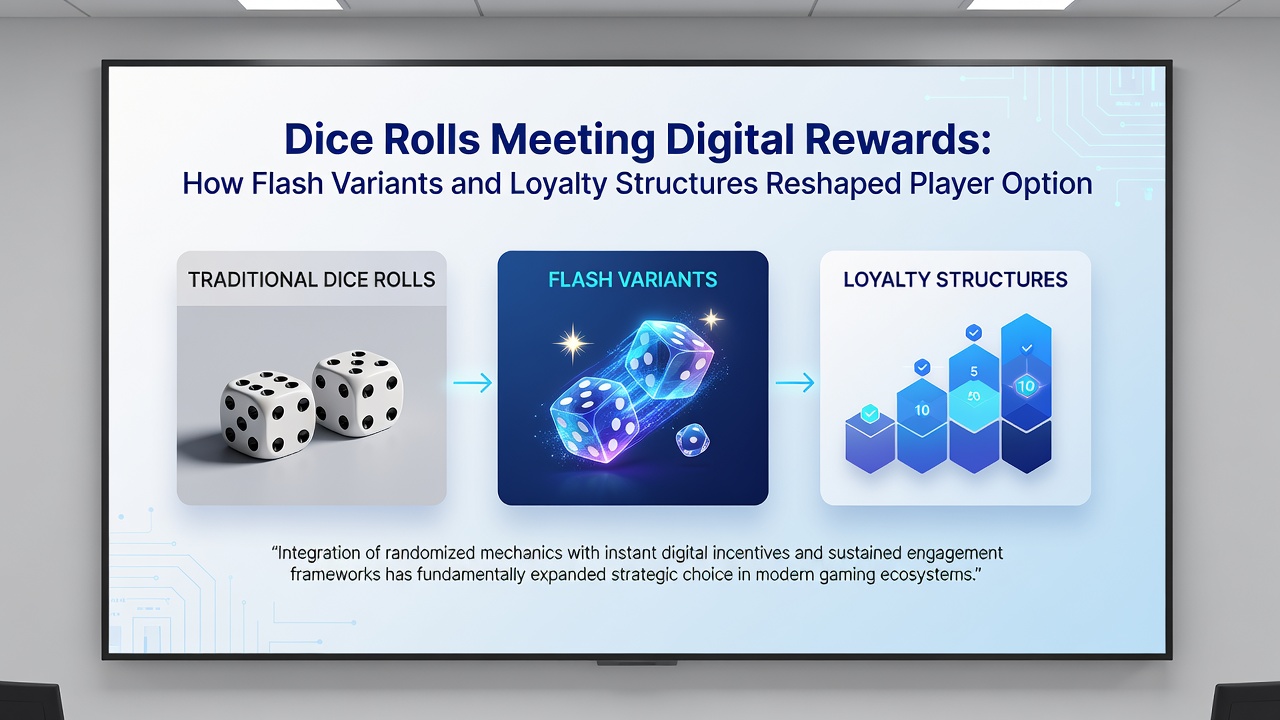
Geographic rollout differed as well, with North American operators emphasizing leaderboard competitions tied to weekly roll counts whereas Asian platforms focused on milestone badges that unlocked cosmetic dice skins and avatar upgrades. Both approaches relied on the same backend tracking infrastructure yet presented distinct motivational cues to local user bases.
Regulatory and Technical Context in 2026
By August 2026 licensing authorities in multiple jurisdictions required operators to submit audit logs that separated flash variant performance from legacy table formats, and this granularity allowed regulators to monitor whether loyalty incentives disproportionately affected shorter-session players. Industry groups responded by publishing voluntary guidelines that recommended clear separation between reward earning rates for flash and standard modes, which several large platforms adopted ahead of formal mandates.
Technical standards also advanced when HTML5 frameworks fully supplanted older plugin dependencies, enabling consistent behavior across operating systems and reducing support tickets related to compatibility, and observers note that these improvements coincided with broader adoption of loyalty-linked dice titles on emerging handheld devices.
Conclusion
Flash variants paired with segmented loyalty structures created measurable shifts in how players approached dice games on digital platforms, and records through August 2026 demonstrate sustained growth in session counts alongside diversified reward pathways. The combination allowed operators to serve varied user preferences while maintaining compliance with evolving technical adn regulatory expectations across regions. Continued refinement of tracking systems and reward visibility will likely determine further adjustments in player options as new device categories enter the market.