From Mississippi Riverboats to Encrypted Servers: Craps' Remarkable Journey
Written by Drew Vogel · Aug 20, 2026
From Mississippi Riverboats to Encrypted Servers: Craps' Remarkable Journey
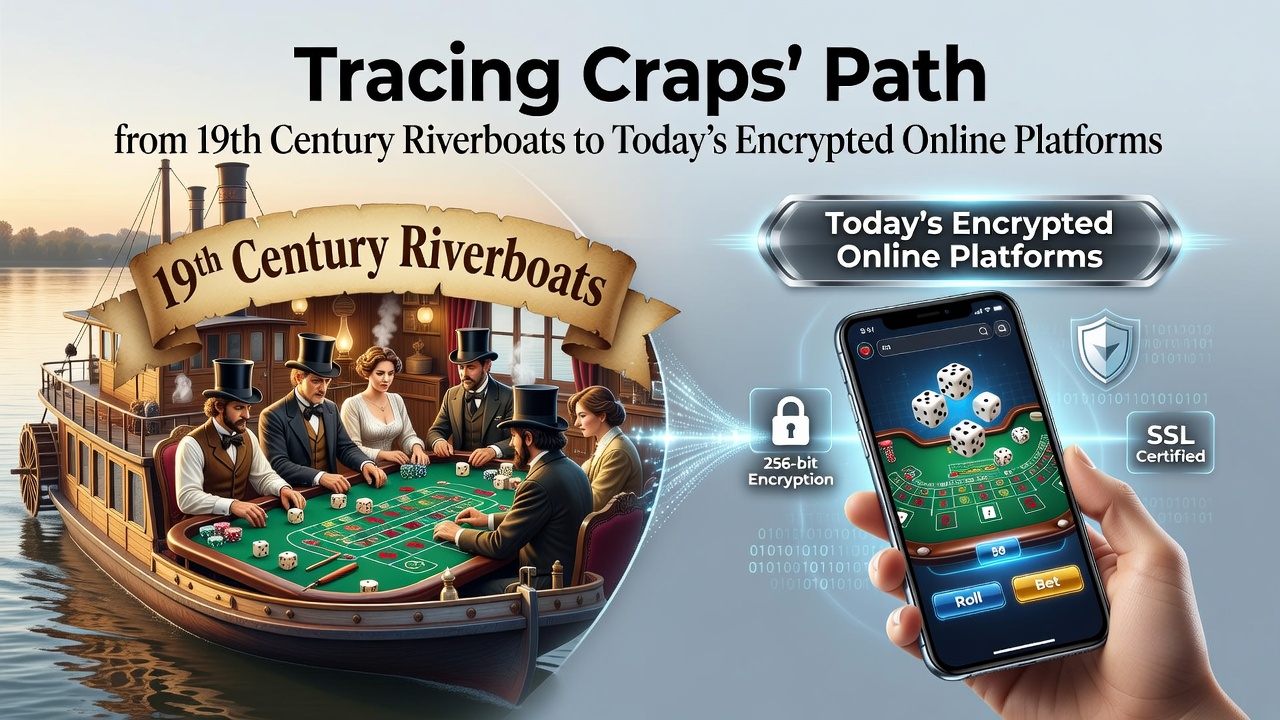
Craps traces its roots to 19th century riverboats where gamblers gathered on vessels plying the Mississippi and Ohio rivers, and crews adapted English dice games into faster versions that attracted crowds during long journeys, while operators kept games moving between ports to avoid local restrictions, and historians note that these floating venues established the core rules still used today including the come-out roll and point system.
Riverboat Foundations and Early Adaptations
Steamboat captains welcomed the activity because it drew passengers who spent freely during trips, and the enclosed environment created natural demand for quick resolution games that fit travel schedules, whereas land-based attempts often faced shutdowns from authorities, but river traffic allowed operators to relocate quickly when needed, and records from the era show dice tables appearing regularly on boats by the 1820s with standardized payouts emerging over the following decades.
Land-Based Expansion and Regulatory Shifts
After river travel declined with the rise of railroads, craps moved into saloons and casinos across the American West and later into Nevada establishments once gambling was legalized there in 1931, and the game gained structure through casino management practices that standardized equipment and procedures, while data from state records indicate steady growth in table numbers through the mid-20th century as tourism increased, and observers note that the transition from informal river settings to regulated floors required new oversight mechanisms that later influenced online standards.
Digital Transition and Platform Development
Online versions appeared in the late 1990s as internet access expanded, and software providers recreated physical tables using random number generators to simulate dice rolls, whereas early sites operated with basic encryption that improved rapidly after initial security concerns emerged, and industry reports show player numbers rising sharply once broadband connections became common, while regulatory bodies in places like New Jersey began issuing licenses for internet gaming around 2013 that included specific requirements for game fairness testing.
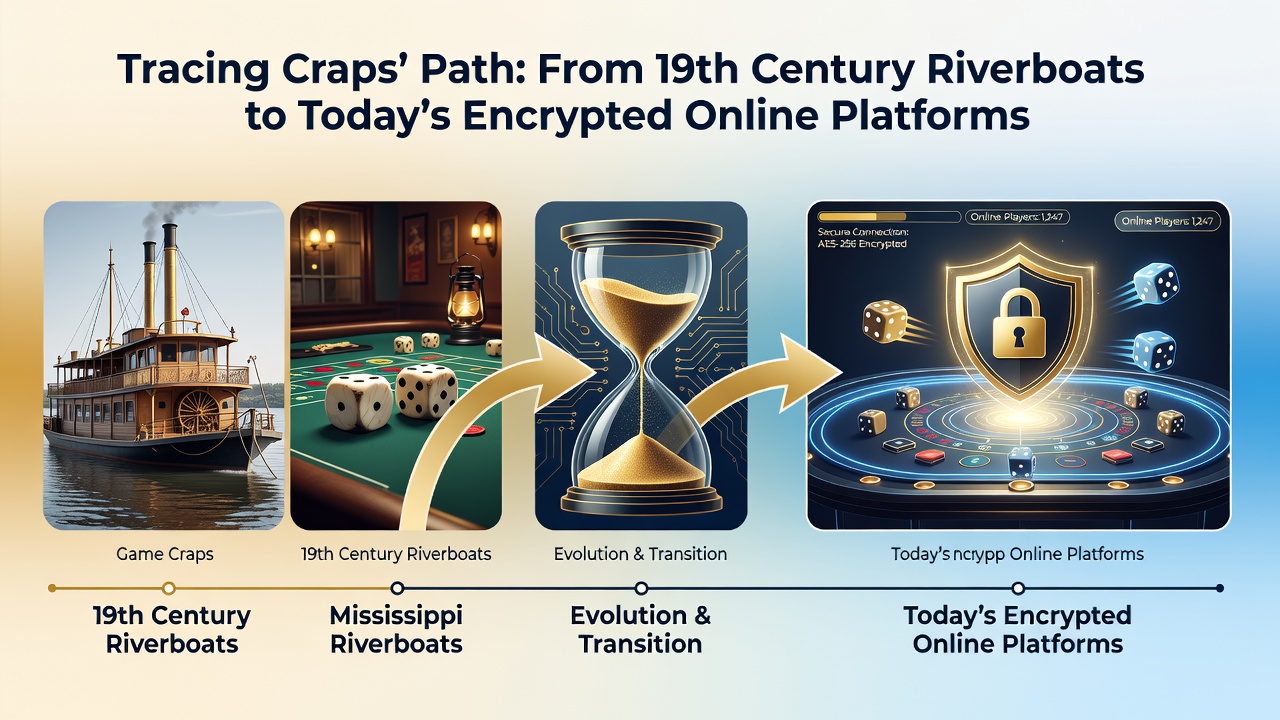
By the 2020s platforms incorporated advanced encryption protocols that protect transaction data and player information during live sessions, and developers integrated features such as multi-camera streams and real-time chat to replicate social aspects of riverboat play, although technical standards continued evolving to meet demands from expanding markets in Canada and Australia where government agencies track compliance through regular audits, and figures from regional gaming associations reveal consistent increases in digital table participation through 2025.
Security Measures in Contemporary Platforms
Today's operators rely on layered encryption systems that secure both gameplay data and financial transfers, and testing laboratories verify random number integrity before platforms receive approval from licensing authorities, whereas players access games through authenticated accounts that log activity for regulatory review, and reports from the Australian Communications and Media Authority highlight ongoing refinements to these protocols as technology advances, while similar frameworks appear in European jurisdictions that emphasize data protection alongside game integrity.
Regulatory Landscape Entering August 2026
Updates scheduled for August 2026 in several North American jurisdictions focus on enhanced identity verification and cross-border transaction monitoring that directly affect online craps offerings, and operators prepare systems to align with these requirements while maintaining compatibility with existing encryption standards, whereas industry groups coordinate with academic researchers studying player behavior patterns to inform policy adjustments, and preliminary data released by Canadian provincial regulators indicate continued expansion of licensed digital options into new provinces.
Conclusion
The progression from riverboat tables to encrypted servers demonstrates consistent adaptation to technological and regulatory changes across nearly two centuries, and current platforms combine historical game mechanics with modern security infrastructure that supports global access under licensed conditions, while ongoing developments in verification systems and audit processes ensure the activity remains structured within established legal frameworks.