Regulatory Evolutions Redefine Craps Accessibility on Digital Platforms in Emerging Economies

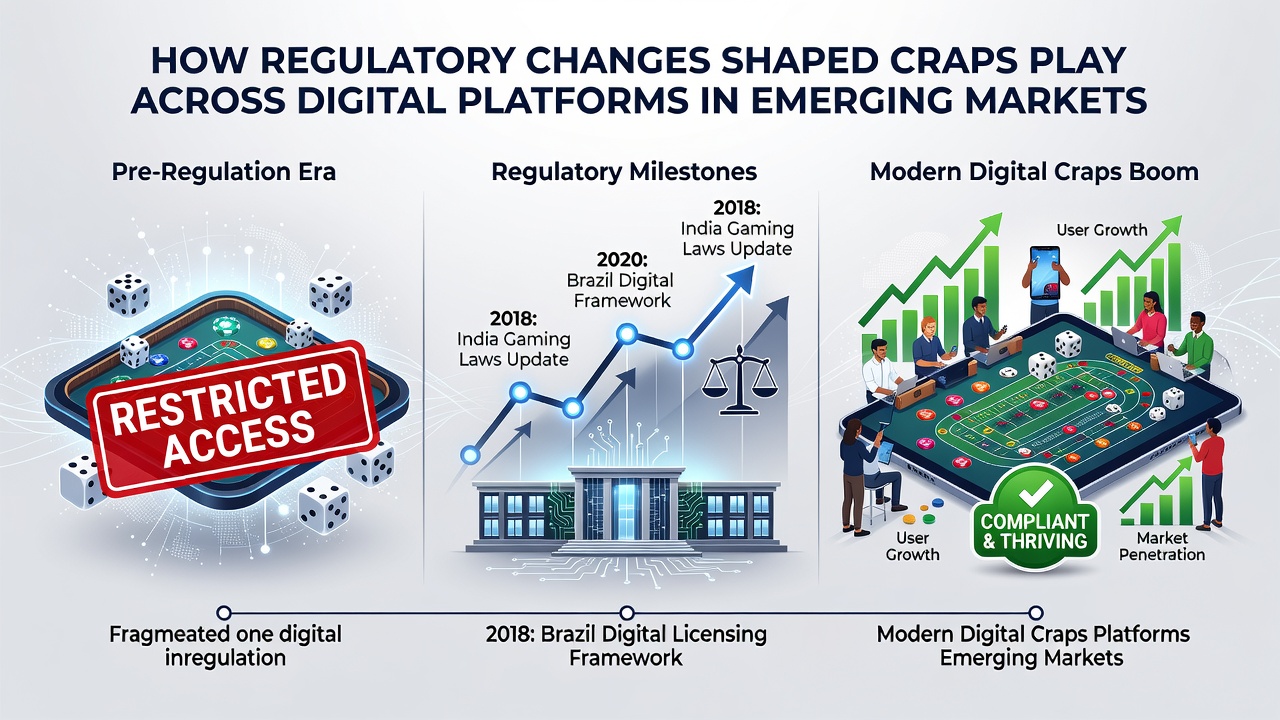
Regulatory frameworks across emerging economies have undergone significant transformations since the mid-2010s, directly influencing how operators structure craps offerings on digital platforms, and these shifts continue to play out as new licensing regimes take shape. Governments in regions such as Southeast Asia, Latin America, and parts of Africa introduced measures that addressed licensing, taxation, and consumer protection, prompting platforms to adjust game mechanics, payment integrations, and compliance protocols in response.
Early Regulatory Foundations and Platform Adjustments
Initial moves toward formalizing online gambling in several emerging markets began with basic licensing requirements that forced operators to separate craps from unregulated offerings, and this separation led to standardized random number generator certifications that platforms adopted to meet local standards. Data from industry reports shows that operators in markets like Brazil and India reconfigured their craps interfaces to include region-specific age verification systems, while payment processors integrated local banking rails to comply with foreign exchange rules. Observers note that these changes reduced the number of offshore platforms accessible to players in those jurisdictions, yet they simultaneously encouraged licensed operators to expand their craps variants with localized themes and bonus structures.
Taxation Policies and Their Influence on Game Design
Taxation policies introduced in the late 2010s and early 2020s further shaped craps play by imposing point-of-consumption levies that operators passed on through adjusted odds displays and payout structures. In jurisdictions where gross gaming revenue taxes reached 15 to 25 percent, platforms recalibrated craps tables to emphasize lower-variance bets, and research indicates this adjustment maintained player engagement while ensuring operators could sustain margins. What's interesting is how certain markets required transparent display of tax contributions within game interfaces, which led developers to create visual overlays that show regulatory fees alongside each roll outcome without interrupting gameplay flow.
Technological Compliance and Emerging Market Specifics
Platforms responded to data localization mandates by relocating servers or partnering with regional data centers, and this infrastructure shift affected latency in real-time craps sessions across mobile networks common in emerging economies. Experts have observed that operators introduced geo-fencing tools and multi-factor authentication layers to satisfy these rules, while still preserving the core dice-rolling experience that defines craps. In June 2026, several regulatory bodies in Latin American markets plan to enforce enhanced responsible gambling features that will require craps platforms to implement session time limits and loss thresholds directly within the game client.
Those who've studied cross-border regulatory impacts point to how South African and Kenyan authorities aligned their online gambling statutes with broader financial technology regulations, resulting in platforms that embed craps within integrated wallet systems compliant with anti-money laundering directives. According to figures from the Australian Communications and Media Authority, similar patterns emerged in Oceania-adjacent emerging markets where digital craps volumes stabilized after operators adopted centralized reporting dashboards for regulators.
Player Behavior Patterns Under New Rules
Player behavior shifted as regulatory changes mandated clearer disclosure of house edges and probability tables within craps interfaces, and studies from academic institutions reveal that such transparency correlated with modest increases in average session duration rather than the declines some predicted. Operators introduced tutorial modes and probability simulators that complied with educational requirements in multiple jurisdictions, allowing new users to practice craps mechanics before committing funds. Yet the reality is that these tools also served as retention features, keeping players engaged through interactive learning modules tied to regulatory compliance.
Cross-Regional Comparisons and Future Trajectories
Comparative analysis across emerging markets shows that countries with phased implementation schedules experienced smoother transitions for craps platforms than those enforcing abrupt restrictions, and data compiled by research bodies such as the Responsible Gambling Council highlights how staggered rollouts gave operators time to refine backend systems. Platforms in markets pursuing unified regional standards began exploring shared compliance frameworks that could streamline craps certification processes across borders. This approach reduces duplication of testing procedures while maintaining each jurisdiction's unique consumer safeguards.
Conclusion
Regulatory developments continue to define the boundaries within which digital craps operates across emerging economies, with ongoing adjustments to licensing, taxation, and technology requirements shaping both platform capabilities and player access. As additional rules take effect through 2026 and beyond, operators maintain focus on compliance mechanisms that preserve core gameplay elements while meeting evolving governmental expectations. The interplay between these frameworks and technological innovation remains central to how craps persists and adapts in these growing markets.