Superstitions at the Craps Table: Beliefs That Shape Player Decisions
Written by Bianca Jenkins · May 28, 2026

Superstitions at the Craps Table: Beliefs That Shape Player Decisions
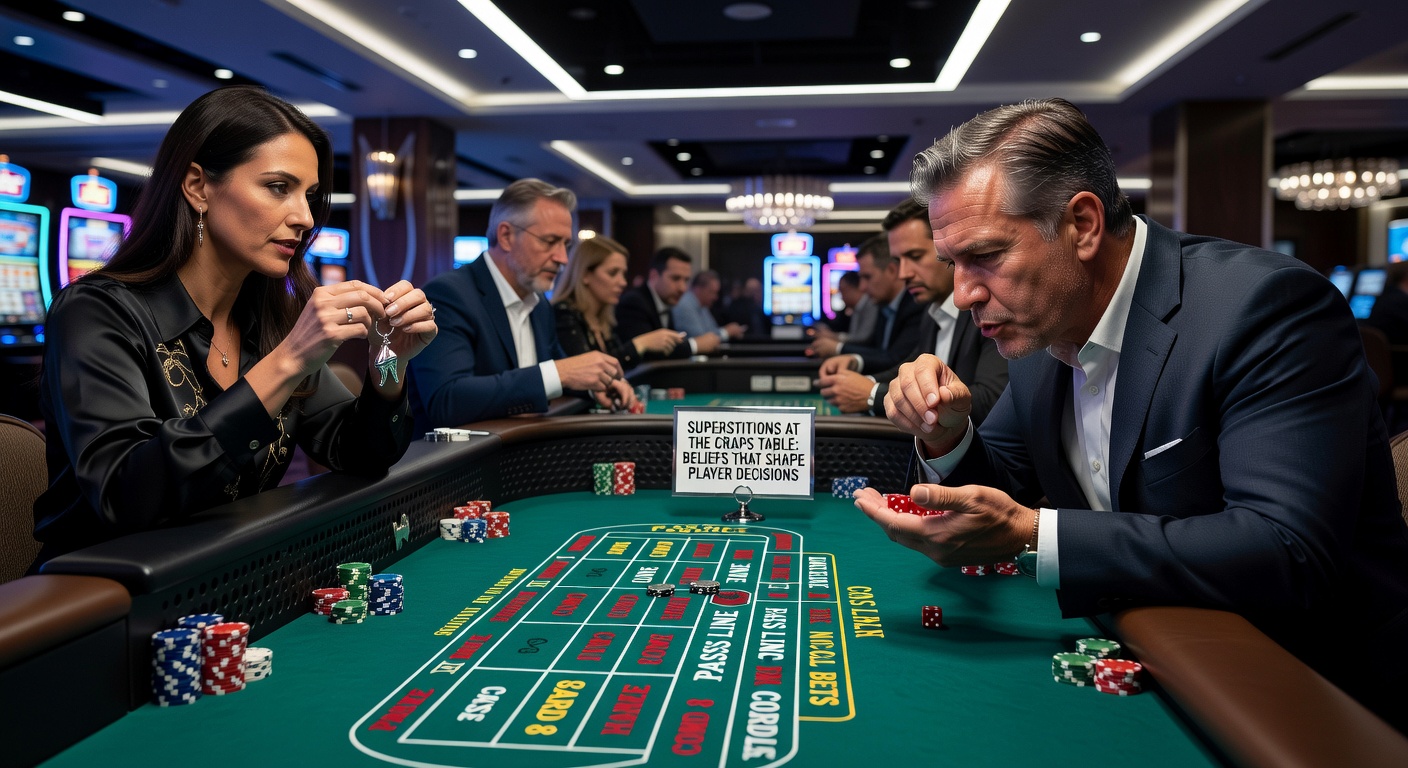
Players at craps tables often follow specific rituals and avoid certain actions based on longstanding beliefs that certain behaviors influence outcomes, and these patterns appear across both land-based and online environments where participants gather. Observers note that such practices include blowing on dice before rolls, selecting particular numbers repeatedly, and steering clear of certain bet types during streaks, all while data from casino floors shows consistent repetition of these habits over decades of play.
Common Rituals Observed Among Participants
Many individuals at the rail engage in physical actions like rubbing the felt surface or tapping the table rhythmically before a shooter releases the dice, and researchers from academic studies on gambling behavior have documented how these movements serve as personal anchors during extended sessions. Another frequent pattern involves players refusing to change their position at the table once a hot streak begins, while others insist on using only specific color chips for particular wagers, and these choices stem from accumulated experiences shared through word of mouth in gaming communities.
Evidence from multiple casino reports indicates that dice avoidance also ranks high among repeated actions, with some participants stepping back entirely if the dice land in a certain manner or if a previous roll produced an undesired result. In May 2026, several major Las Vegas properties reported ongoing player surveys that highlighted similar trends continuing without significant decline despite technological shifts in gaming.
Ways Beliefs Direct Betting Choices
Superstitions frequently lead participants to adjust their wager patterns mid-session, such as switching from pass line bets to come bets after a perceived unlucky sequence, and studies compiled by the University of Nevada Las Vegas gaming research center reveal measurable shifts in betting volume tied directly to these mental frameworks. Players may also skip the field bet altogether during certain table moods or double down on odds only after completing a personal countdown ritual, and these adjustments occur even when mathematical probabilities remain unchanged across rolls.
One documented case involved a group of regular players who collectively avoided seven as a point number for an entire evening based on prior losses, resulting in concentrated action on alternative numbers and altered table dynamics that lasted several hours. Data collected across North American properties shows such coordinated decisions appear more often in group settings where shared stories reinforce individual convictions.
Cultural and Regional Variations in Practice
Beliefs differ notably by geographic location, with North American tables featuring more emphasis on physical contact with dice while European venues show higher instances of number sequencing preferences drawn from local folklore, and reports from the Australian Gambling Research Centre confirm parallel yet distinct patterns among international visitors. In Canadian casinos, observers have recorded increased use of lucky tokens placed beside stacks during play, whereas Asian gaming markets often highlight avoidance of certain color combinations linked to traditional symbolism.
These regional differences persist when players transition to online platforms, where digital interfaces allow continued application of personal rituals through chat features or custom bet configurations, and industry analyses from the European Gaming and Betting Association track how such habits influence session duration across borders.
Impact on Session Length and Table Dynamics
Superstitious practices can extend individual playing time when participants believe a ritual has restored table balance, leading to sustained engagement even during downturns, while group adherence sometimes creates synchronized pauses that affect overall table pace. Figures from regulatory summaries in Nevada demonstrate that tables with visible ritual activity maintain steady player counts longer than those without, although total handle remains governed by standard probability models.
What's interesting is how online adaptations allow players to maintain these behaviors through repeated login sequences or avatar selections, and tracking data from multiple operators shows consistent carryover from physical to virtual environments without disruption to core engagement metrics.
Conclusion
Superstitions continue to intersect with craps play through observable actions and decision adjustments that reflect personal and collective histories rather than statistical outcomes, and ongoing documentation from research institutions across regions confirms their enduring presence in both traditional and digital formats. Players integrate these elements into routines that shape moment-to-moment choices while the underlying game mechanics stay constant, creating a layered experience documented in industry and academic records alike.